


Solar projects are getting bigger, and so are the challenges. Fast-changing markets, tougher competition, and a need for efficiency push solar companies to rethink old workflows. That’s where GIS optimised solar site analysis and drone tech come in. These two powerful factors assist companies in making more intelligent and quicker decisions at the start of a project, all the way to its final stages. Therefore, if you want to build a solar park and manage it efficiently, GIS and drones are the tools you cannot afford to overlook to remain profitable.
Finding the Best Sites Faster and More Accurately
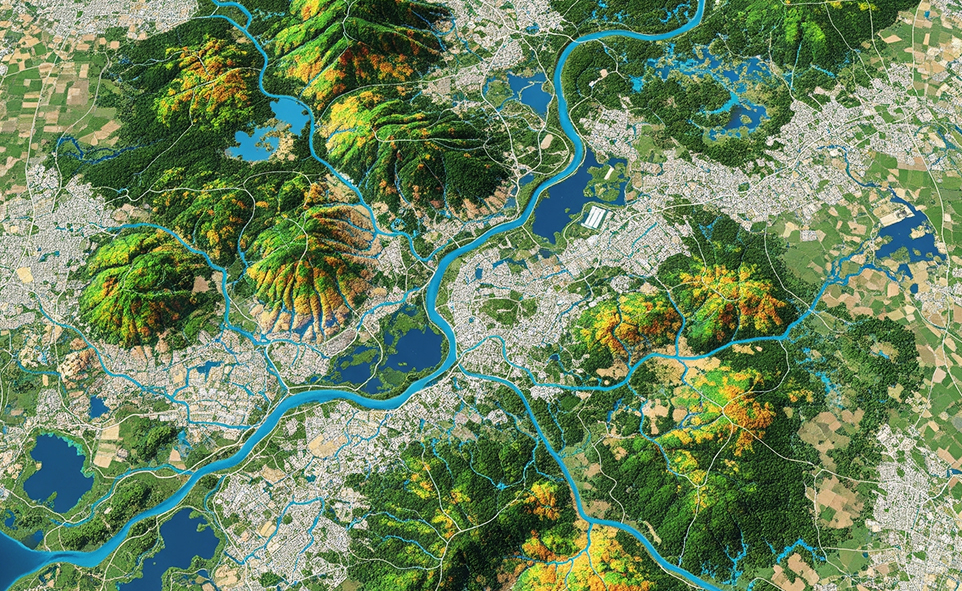
Looking for land to build a solar farm? It’s no longer a guessing game. Using GIS mapping services, you can overlay data on sunlight availability, land cover, zoning laws, and even grid proximity all at once. This means bad sites are filtered out early.
Drones, or UAV surveying services, take things further. With detailed topographic surveys and contour mapping solutions
Creating Precise Designs That Boost Energy Production
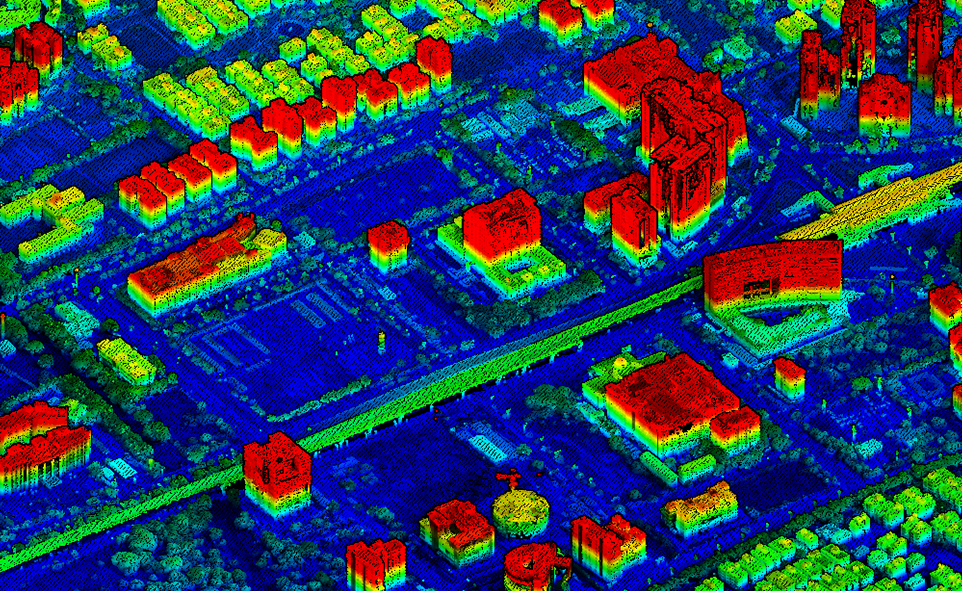
A strong design makes a solar project profitable for years. Drones deliver centimetre-level detail using aerial survey services and UAV-based land survey. These data power digital terrain modeling and GIS data visualization, helping engineers lay out panels in ways that catch the most sunlight. Even small changes in tilt or spacing, spotted with drone data, can improve yields greatly.
When it comes to permits, detailed maps and custom GIS mapping solutions give regulators all the proof they need. Fewer questions translate to quicker approvals. That means saved money and no headaches in the future.
Reducing Construction Costs and Keeping Projects on Schedule
Staying on schedule is tough, especially for large solar fields. Drone mapping solutions and 3D terrain models for construction projects change the game. Instead of waiting for monthly site checks, you can see progress almost in real time. These 3D mapping solutions allow teams to spot problems with earthwork early and fix them fast.
Missed something on the ground? The drone’s eye sees it. Problems that might become expensive later are caught early. And with GIS-based dashboards, everyone sees the same information, so there’s less confusion and better coordination.
Improving Maintenance Efficiency and Maximizing Asset Performance
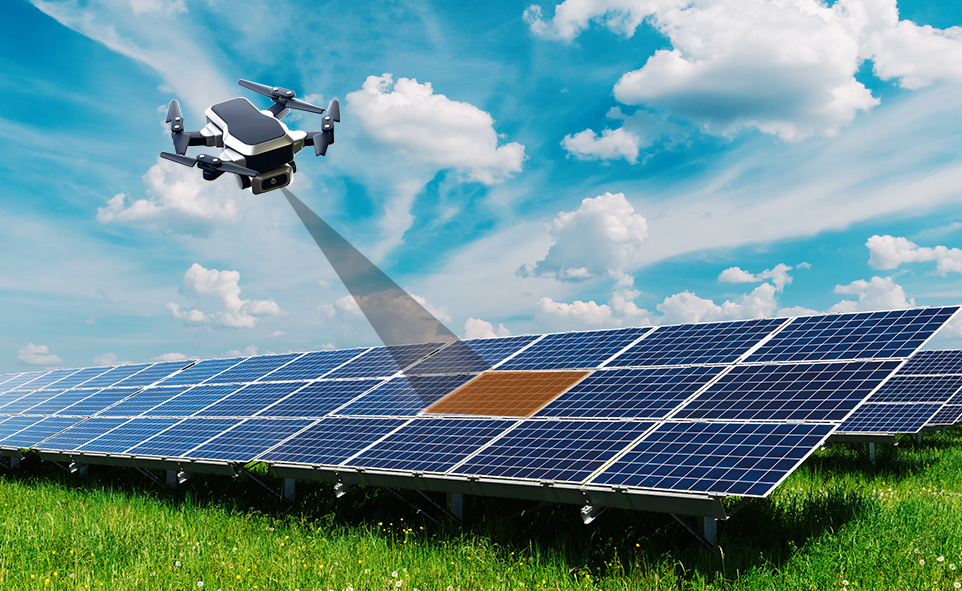
Once the panels are in place, keeping them running well is what really matters. This is where remote monitoring for large solar fields using GIS and drones becomes essential. Drones equipped with thermal cameras scan thousands of panels quickly. If there’s a fault, a hotspot, or a dust problem, the drone finds it, and you can quickly fix it to lessen the downtime.
But drones do not work alone. Land and asset management dashboards powered by GIS connect every panel, inverter, and sensor. With these mapping tools, maintenance teams know exactly where to go and what to fix. That means faster repairs and less lost production.
Managing Multiple Solar Sites Effortlessly and Effectively
Managing one site is hard enough. Managing ten or a hundred? That’s where enterprise GIS services shine. With a centralized platform, companies bring together data from every project. GIS dashboards and geospatial data management tools make tracking performance and maintenance across sites straightforward.
Auditors and investors want transparency. GIS provides it with instant, standardized reports for each site and the whole portfolio. Onboarding new sites becomes much easier because everything fits into the same data system.
Building Long-Term Competitive Advantages Through Digital Innovation
Success isn’t just about what happens today. With GIS and drone tech, companies get ahead by spotting risks early and proving compliance with regulations. GIS services for environmental monitoring help track wildlife, soil, and water impacts, key for meeting investor and community expectations around sustainability.
The real benefit? Companies can act fast, adapt to change, and prove value at every stage. That’s how leaders set themselves apart in the solar market.
From finding land to keeping panels humming, GIS and drone surveillance solutions make solar projects more profitable, less risky, and easier to scale. Leaders who invest in advanced GIS solutions and UAV tech today gain a clear edge. You do not have to wait: the tools are tried and tested, and the reward is tangible. To those who want to build a competitive solar business, digital innovation is not only a good idea but the key to long-term success.