


Managing raw material stocks in the majority of companies involves more than just counting the items present. Production scheduling, financial reporting, logistics, and even compliance are all directly impacted. Whether it’s limestone in a cement factory, iron ore in a steel mill, or coal in a power plant, a precise grasp of stockpile volumes is essential. However, a lot of businesses continue to manage their stockpiles using antiquated, laborious, and prone to mistakes techniques.
Drones have altered the rules in this regard. Not just a “tech upgrade,” drone-based stockpile monitoring is turning out to be a more intelligent, dependable, and quick solution. It can save millions of dollars annually for a variety of sectors.
Why Conventional Approaches Are Ineffective
Industries have relied on manual surveys or ground-based tools, such as total stations, for stockpile measurements for many years. Surveyors using these techniques must physically climb or navigate over uneven and occasionally dangerous heaps. In addition to the safety hazards, this procedure is time-consuming and frequently produces erroneous results.
Massive financial disparities can result from even a tiny measurement inaccuracy in coal or ore stocks. For example, a steel plant’s annual impact might be worth crores of rupees (millions of dollars) if it miscalculates its ore stockpile by just 2–3%. It becomes evident that standard methods are no longer sufficient when you factor in labor expenses and time delays.
The Operation of Drone-Based Monitoring
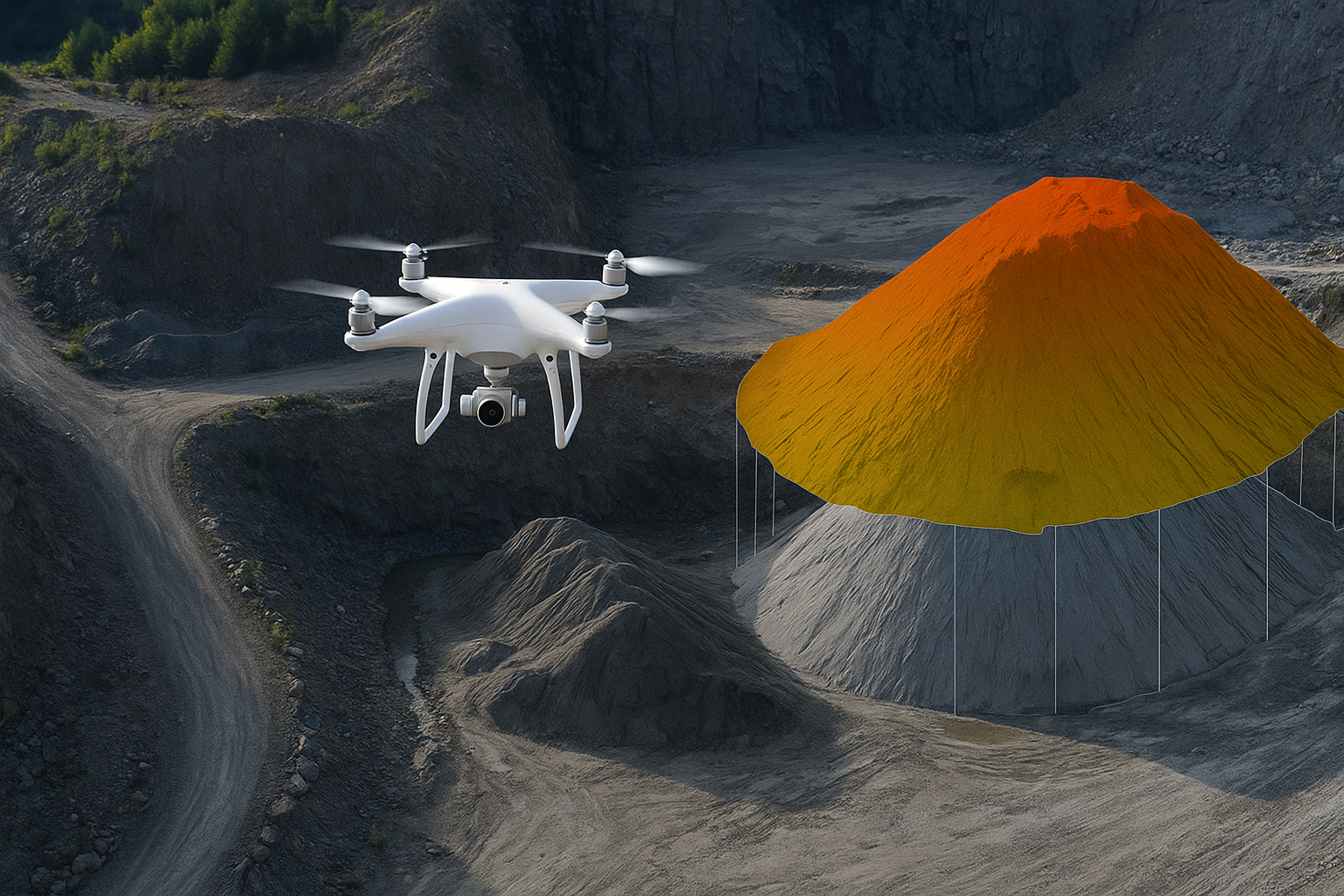
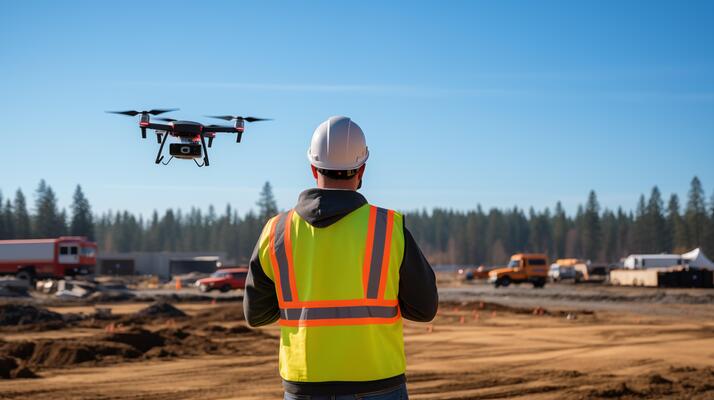
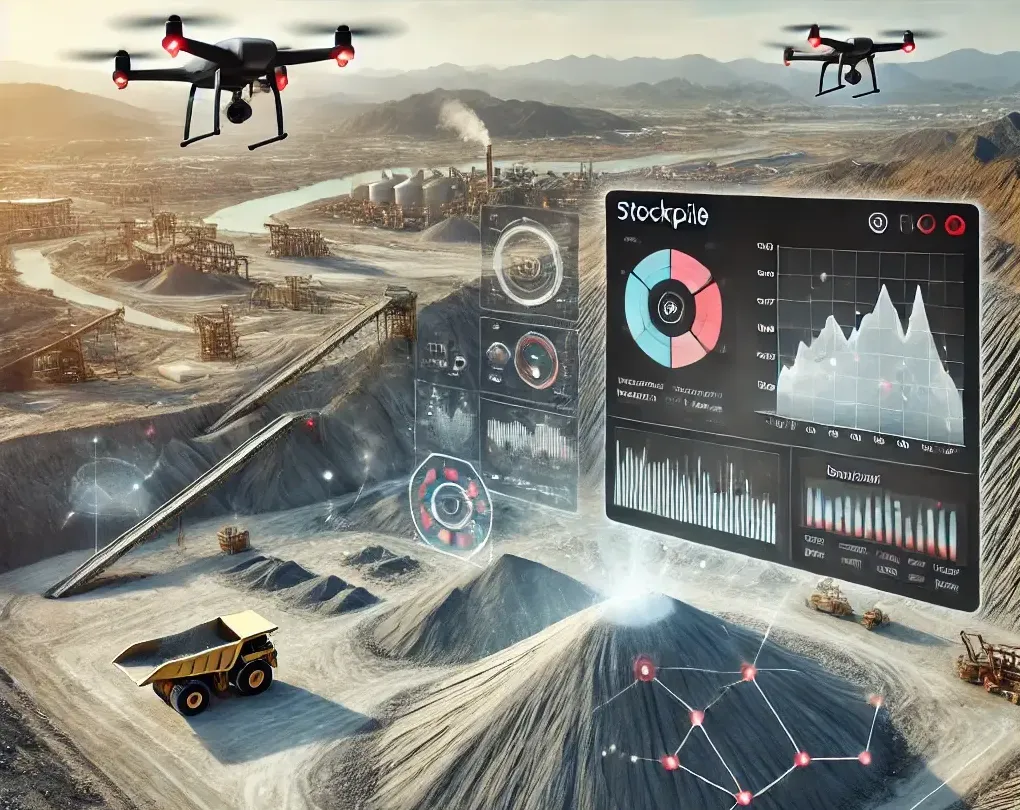
Within a few minutes, drones with high-resolution cameras and software for LiDAR or photogrammetry may fly over a stockyard. Thousands of overlapping photos taken from various perspectives are captured by these aircraft. This data is then processed by sophisticated algorithms to produce incredibly precise 3D models and stockpile volume calculations.
It is a quick and non-intrusive procedure. Drones can frequently finish a work in a few hours that would take two to three days using ground survey methods. Furthermore, mistakes can be decreased to less than 1%, indicating a significantly better level of detail.
Where Do Millions Come From for the Real Savings?
Drone-based stockpile monitoring helps industries save money in a number of ways.
Precise Inventory Control
Businesses are able to determine the exact amount of raw material that is accessible thanks to accurate measurements. By doing this, understocking which could cause production to stop and overstocking which could lock up needless capital—are prevented.
Decreased Material Loss
Theft, poor management, and even natural deterioration are commonplace in stockyards. Discrepancies can be identified early with regular drone scans, averting losses that might otherwise total crores of rupees every year.
Enhanced Logistics
Better coordination of arriving and leaving cargo is made possible by accurate data. This lowers fuel expenses, demurrage fees, and delays for transportation fleets.
Reduced Conflicts
Raw materials for many sectors come from a variety of suppliers. There are frequently disagreements on the precise amount supplied. Volumetric reports from drones offer objective, verified data, minimizing disputes and needless costs.
Reduced Survey Expenses
Conventional survey teams need a lot of personnel and tools. These expenses are significantly reduced by drones, which also increase worker safety by preventing them from approaching dangerous materials.
Beyond Financial Savings: Additional Advantages
In addition to the immediate cost savings, drone-based monitoring offers benefits in a
number of different ways:
Safety: Employees no longer have to operate in hazardous conditions or scale precarious stacks.
Speed: Industries may monitor more regularly thanks to faster surveys, which guarantees current data for better decision-making.
Transparency: Accountability is increased by the ease with which digital reports and 3D models may be shared between departments.
Scalability: Drone monitoring may be expanded with little effort, regardless of the size of the facility one plant or several locations dispersed over several states.
Real-World Illustration
Think about a power plant that uses five million tons of coal per year. A 1% inaccuracy in inventory computation would result in 50,000 tons going missing. This amounts to a loss of ₹300 crore (about $36 million) at an average price of ₹6,000 per tonne.
Imagine using precise drone-based surveillance to stop even half of this loss. The cost of implementing drone technology is easily justified by the savings. This is not a scenario from the future; it is already taking place in stockyards and plants all throughout India and the world.
The Path Ahead
Ignoring technology is no longer an option for sectors where raw materials influence a large portion of expenses. Drone-based stockpile monitoring is a business need, not just a “modernization” tool. It’s one of the best investments a business can make right now since it can save millions of dollars, increase safety, and streamline processes.
Businesses that use drones are already seeing increases in productivity and profitability. Those who stick with antiquated manual surveys run the danger of increased expenses as well as losing their competitive edge in a market that is changing quickly.Concluding remarks
Each pile of limestone, coal, or ore is a representation of money. It’s like throwing away money if you measure it incorrectly. Industries are guaranteed to know exactly what they have, when they have it, thanks to drone-based stockpile monitoring. In many instances, the annual savings amount to millions of dollars.
It’s obvious that drone technology will become essential as its use increases. Drones are the future of stockpile monitoring for enterprises seeking accuracy, cost reduction, and safety, and that future is already here.